
by Derrick Walker
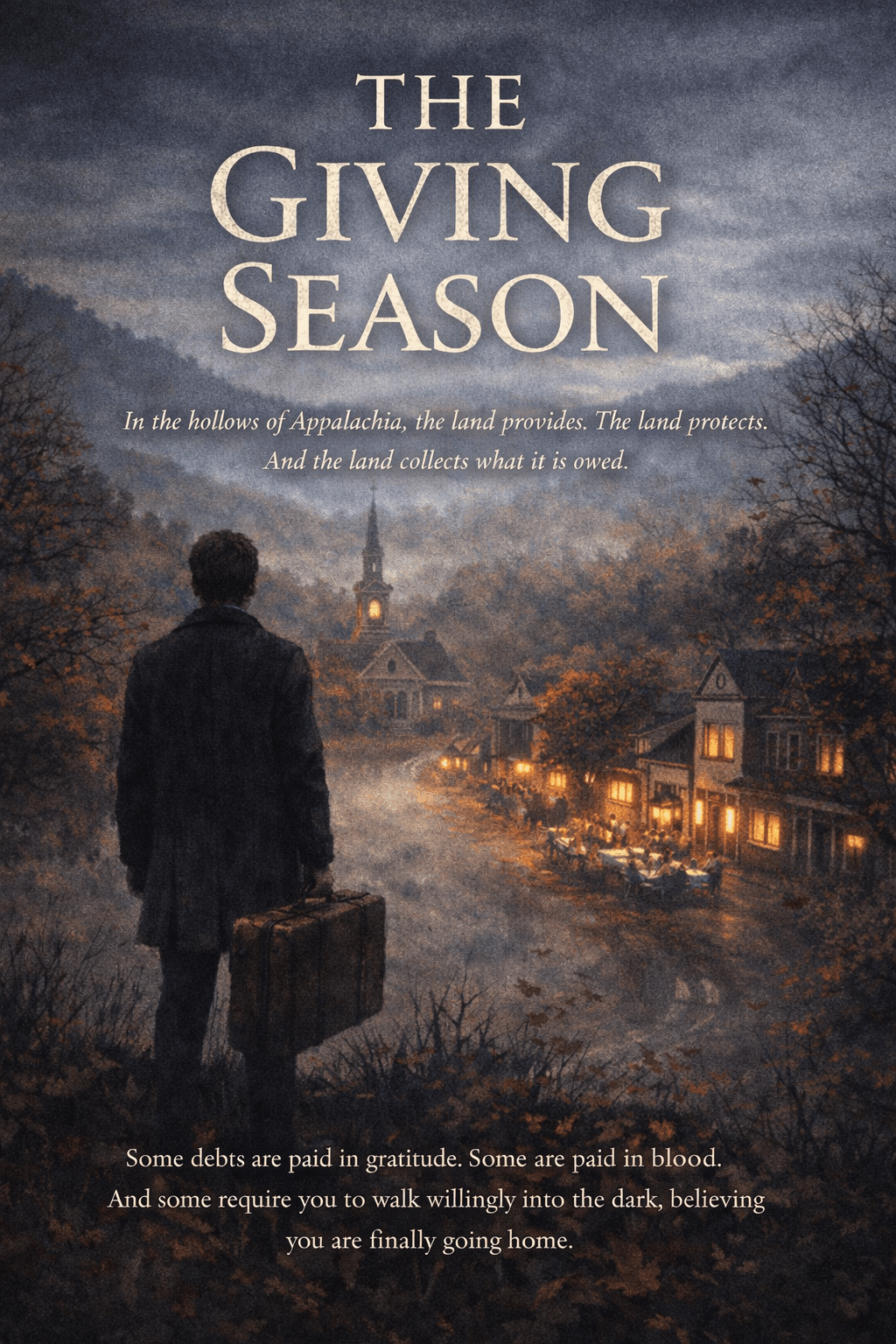
Ethan Cord arrives in Millhaven with a suitcase, a job offer he can't quite remember applying for, and eighteen months of memories that feel like they belong to someone else. The town is perfect. The kind of perfect that should make a man suspicious, except Ethan has been through something terrible he can't fully recall, and the kindness of strangers is the first thing that hasn't hurt in a long time. His cottage is furnished with things he would have chosen himself. His neighbors bring soup before he's unpacked. The archive job gives him structure, purpose, a reason to stay. And Nora — sharp, warm, disarmingly honest about the town's intensity — makes him feel like a person again for the first time since the breakdown erased who he used to be. But Ethan is a journalist by training, and journalists notice things. The archive holds a photograph dated 1952 of a man with his face. The locked basement of his cottage is lined with tally marks in handwriting that looks like his own. Every Sunday, the town gathers for dinner around a table with one empty chair, a full plate, and a question no one will answer. His memories are returning — but they feel less like recovery and more like something being fed to him on a schedule. And the Giving Season, the autumn celebration the town speaks of with quiet reverence, is five weeks away. In the hollows of Appalachia, the land provides. The land protects. And the land collects what it is owed. Some debts are paid in gratitude. Some are paid in blood. And some require you to walk willingly into the dark, believing you are finally going home.
by DH Williams
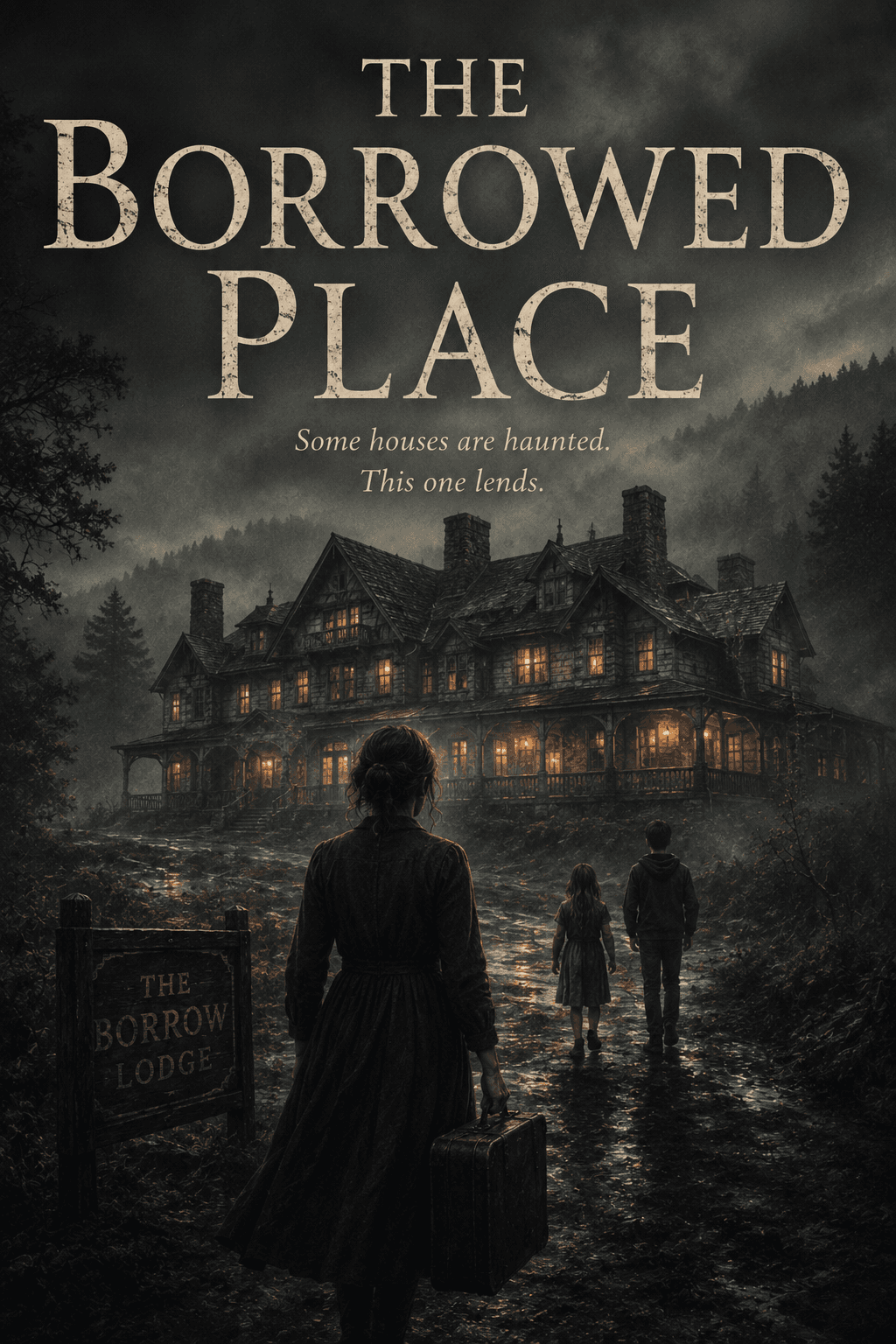
Some houses are haunted. This one lends. --- Widowed and buried in the debt her husband left behind, Ada Mercer has one season to save the last thing he gave her: a grand, half-ruined lodge at the bottom of a Tennessee hollow the old families call the Borrow. Fix it, fill it, book it solid by spring — or the bank takes everything. It's a gamble she can't afford and can't refuse. The lodge doesn't rattle chains. It doesn't groan in the dark. It listens. And to each of them, very quietly, it offers the one thing they want most and would never say aloud. For seven-year-old Nell, it's a friend in the empty house — a girl who knows the place, who lost her own daddy once, and who promises that Daddy can come home, if they want him to. For fifteen-year-old Eli, it's the truth: small, ugly facts that won't stop adding up to a single unbearable question about how his father really died. And for Ada, it's the thing she has been refusing to look at for eighteen months — the gray smear at the center of her grief that she buried so deep she has nearly convinced herself it was never there. But the Borrow gives nothing away. It only lends. And the interest comes due in flesh, in time, in memory — and in people. By the time Ada understands what the house is, and what filling its rooms will cost the strangers who come down that road, she will be forced to choose between a truth that destroys her and a lie her family can live happily inside. The cruelest part: her own salvation and the ruin of the next desperate family are the same act. A descent in the tradition of Shirley Jackson and Stephen King, The Borrowed Place is a mountain-gothic about grief, debt, and the lengths a mother will go to keep from looking at what she's done — a novel that asks whether anyone can survive the truth, or only survive by refusing it.